
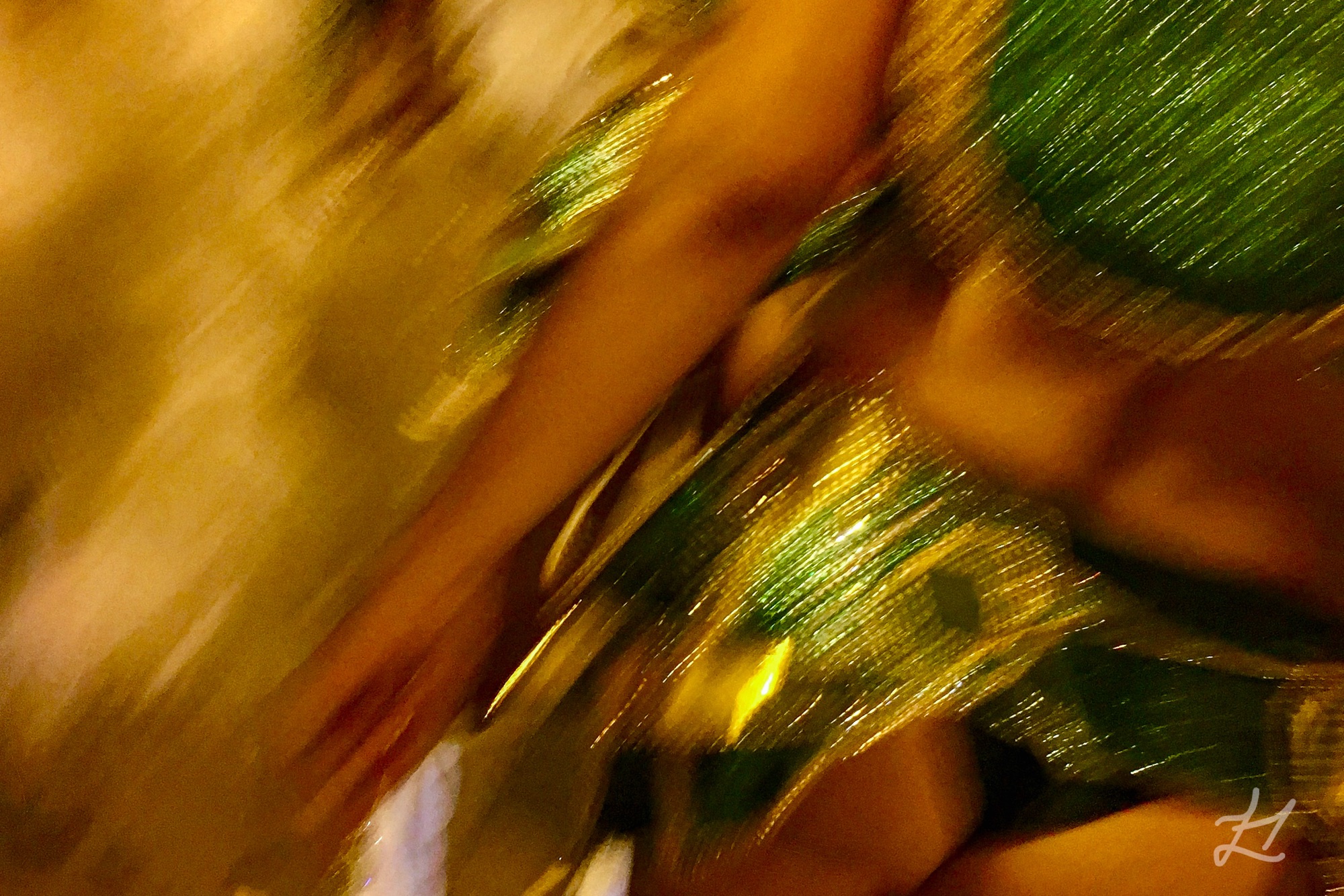
“Rio de Janeiro is a city of contrasts – a vibrant mix of beauty and chaos.”
Paulo Coelho
Brazil’s capital, Rio de Janeiro, was a city I had to visit, but I never expected it to captivate me so much! Few cities in the world have left me speechless with their beauty and vibe, and Rio de Janeiro was one of them. And that was just the beginning of my adventure!
When I got off the bus from Iguazu Falls, I was eager to explore Rio. I walked around Botafogo’s beach and found Rio to be even more beautiful and lively than I had imagined, and a little more chaotic too.
I was visiting Rio specifically for Carnaval in early February, and the streets were buzzing with the sound of samba, street food smells lingered in the air, and the atmosphere was electric with excitement.
If you’re looking for some of the best sights in Rio, here are 8 places to get you started!
1. Arpoador

I wish I had visited Arpoador sooner than I did – the last night! 🙈
It had been on my Rio to do list, as it had been a pitstop on the Amazing Race, and just looked beautiful.
Tucked away between Copacabana and Ipanema Beaches, this rocky outcrop offers a serene escape from the bustling city. It is very popular to watch the sunset from. As it provides an elevated view of the sun setting on Ipanema and the towering peaks of Dois Irmãos (two brothers).
So on my last night, I managed to trot down there for the sunset, and it was just heavenly. I don’t think I could’ve asked for more. The views were glorious, and I also enjoyed the atmosphere of this place. Lots of music playing, and kids running around the rocks.
2. Cristo Redentor (Christ the Redeemer)

Christ the Redeemer sits atop Corcovado Mountain, overlooking the sprawling city of Rio de Janeiro, serves as a symbol of peace, love, and faith. It’s one of the New Seven Wonders of the World, and is a cultural icon for both Rio and the country of Brazil, similar to NYC’s Statue of Liberty.
I went via bus, but it seemed harder than necessary to locate the right one to catch from Botafogo – I wish I had known about the Cog Train when I was there!
Standing tall at 32 meters and weighing a mighty 700 tonnes, it was constructed between 1922 and 1931.
It’s become one of the most recognised landmarks in the world, attracting millions of visitors each year, so there were a fair few tourists! I didn’t mind all the people as I was there by myself, so I definitely didn’t feel alone! I truly loved wandering around it and seeing different views of the city.
3. Pão de Açúcar (Sugarloaf Mountain)
One attraction that I didn’t get to which I’m highly disappointed at, is Sugarloaf Mountain.
The cable car that runs up to the summit was the first of its kind in Brazil, and has been ferrying visitors since 1912, providing unparalleled panoramas of Rio’s iconic landmarks and natural beauty.
The composition of Sugarloaf, with its granite and quartz formations, not only contributes to its unique shape but also adds to its allure as a destination for adventure seekers. Rock climbers from around the world are drawn to its rugged cliffs, eager to test their skills against its challenging terrain.
4. Copacabana and Ipanema
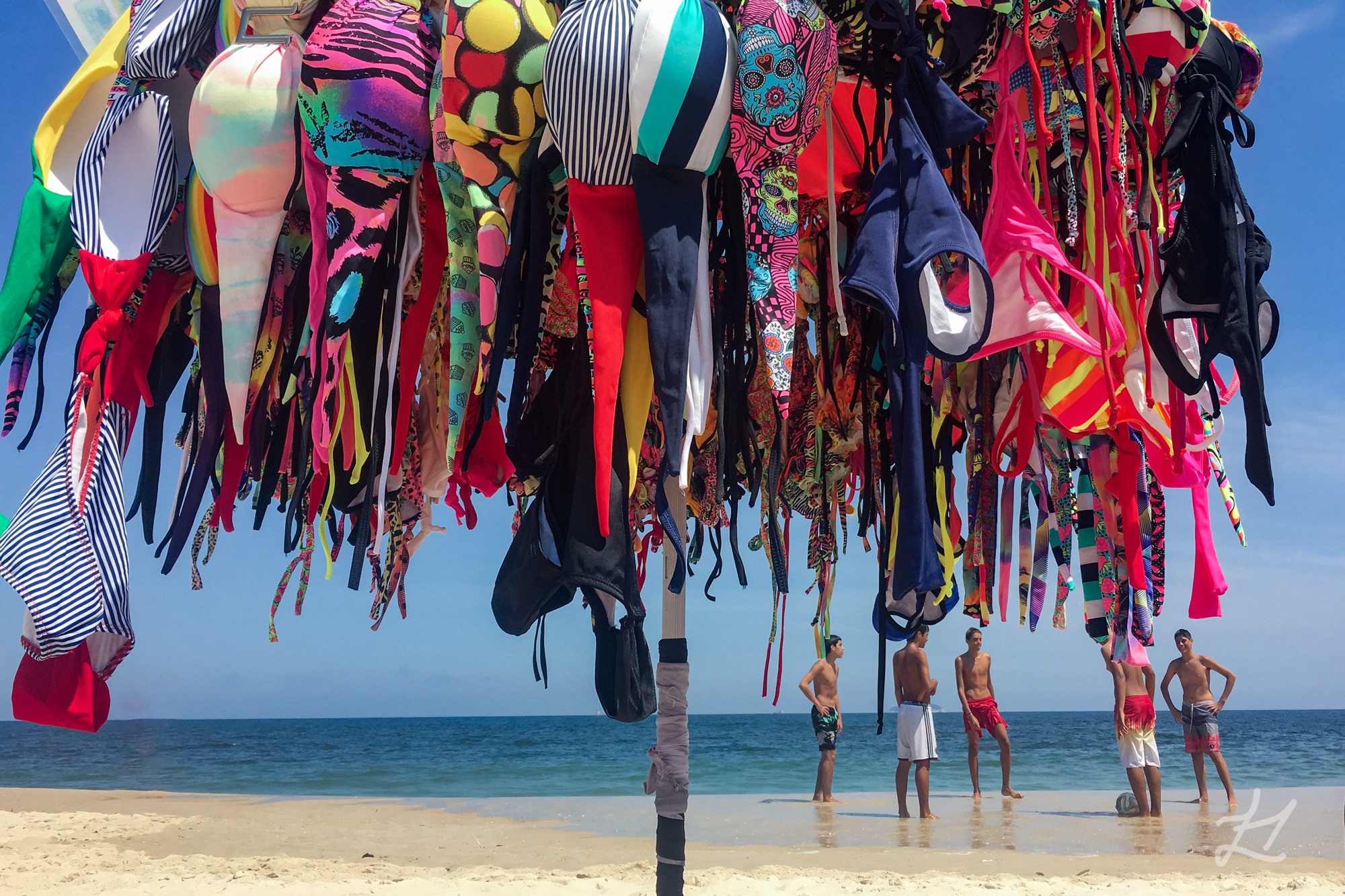
The two names don’t really need an introduction, but I’ll give you one anyway.
No visit to Rio is complete without spending some time soaking up the sun on Copacabana Beach. Stretching for miles along the Atlantic coast, this iconic beach is famous for its golden sands, lively atmosphere, and stunning sunsets. Whether you’re people-watching, sipping caipirinhas, or taking a dip in the refreshing waters, Copacabana Beach is the perfect place to unwind.
Another gem along Rio’s coastline is Ipanema Beach, beloved for its picturesque setting and vibrant energy. From playing beach volleyball to enjoying fresh coconut water from beachside vendors, there’s no shortage of activities to enjoy here. Don’t forget to catch a stunning sunset and stroll along the iconic boardwalk.
5. Botafogo

Botafogo is my favourite neighbourhood in Rio. During my visit, I found myself drawn to its laid-back atmosphere, and enjoyed seeing Christ the Redeemer between buildings. The view of Sugarloaf and Botafogo beach from the mall weren’t too shabby either! (as above)
Walking along Botafogo’s promenade, I was captivated by the sight of locals and visitors alike, enjoying leisurely strolls, sipping refreshing coconut water, and soaking up the warm Brazilian sun. The neighbourhood’s eclectic mix of restaurants, cafes, and boutiques added to its allure, offering a taste of Rio’s diverse culinary scene and vibrant culture.
6. Carnaval at the Sambodromo
If you are fortunate (or plan!) to visit Rio de Janeiro during its annual Carnaval – you are so in for a treat!
The Sambodromo, a parade stadium built for the festivities, was designed by Brazilian architect Oscar Niemeyer and opened in 1984. Carnaval typically lasts for several days, starting on the Friday before Ash Wednesday and ending on Fat Tuesday, known as Mardi Gras. Each night, multiple samba schools parade through the stadium, presenting their intricate floats, costumes, and performances to lively crowds. I planned on only going to Carnaval for one night, but went for two, as it was just so, so amazing!
Each samba school in Rio represents a specific neighborhood or community and devotes months to creating the extravagant costumes and floats for the parade. The performers’ outfits, embellished with sequins and feathers, showcase vibrant colours and intricate craftsmanship, reflecting each school’s chosen theme. The backpieces or ‘winged backpacks’ are heavier than I would’ve guessed after I got to try on a set!
Then add bright lights, engineered moving displays, synchronised dancing, electric music.. and you have the recipe for one of the best times in your life!
7. Escadaria Selarón (Selarón Steps)
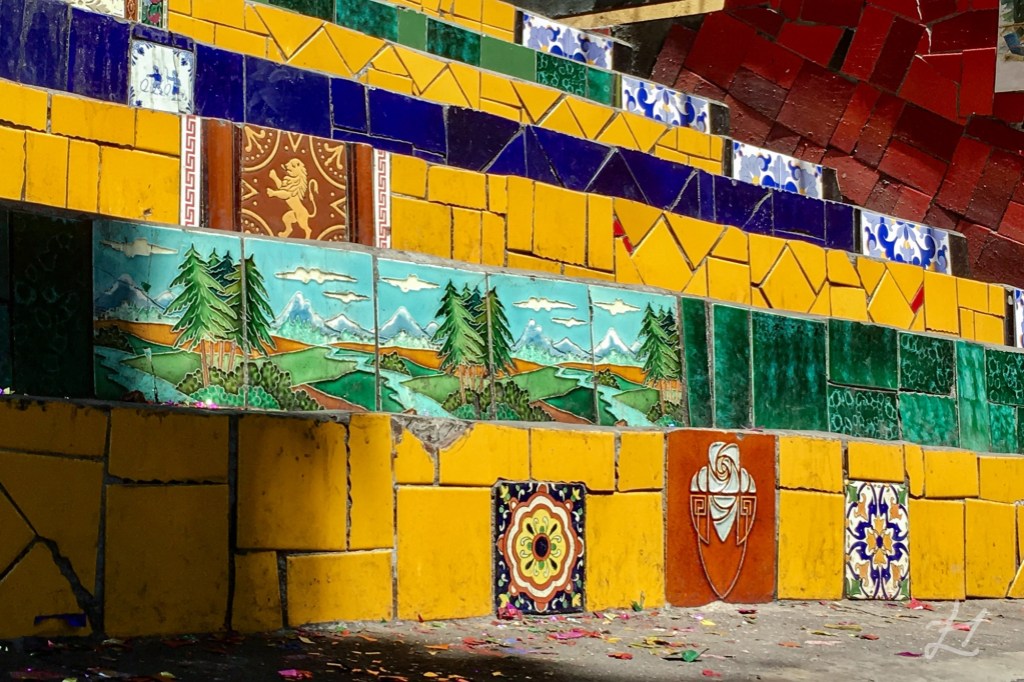
The iconic Selarón Steps in Rio, adorned with over 2,000 tiles from around the world, are the creation of the late Chilean-born artist Jorge Selarón, who dedicated over two decades of his life to transforming the dilapidated staircase into a stunning work of art. The steps were his mission to beautify the neglected Lapa neighbourhood, considering it a tribute to the Brazilian people and his gift to the city of Rio.
They create a captivating mosaic that represents various cultures, histories, and traditions. Each tile appears to convey its own unique story, making the artwork a truly remarkable sight.
8. Arcos da Lapa (Lapa Arches)
The Lapa Arches, known locally as “Arcos da Lapa,” stand as a historic landmark and architectural marvel in the heart of Rio de Janeiro. These majestic aqueducts, originally constructed in the 18th century, served as a vital water supply system for the city during the colonial era.
They span a total length of 64 meters and stand at a height of 17.6 meters, making them an impressive sight to behold. As night falls, the area beneath the arches comes alive with the pulsating rhythms of samba music, colourful street art, and bustling nightlife.

Lore & Tempo is where motherhood meets adventure. I’m Ren – storyteller, explorer, and single mum in Wellington, New Zealand. I’ve been lucky enough to wander through 45 countries. 15 of them with my +1, Kaydes, either strapped to my front, on my hip, or running ahead on her own adventures. I created this space to share single parent life, travel tips, and the joy of exploring the world.

