
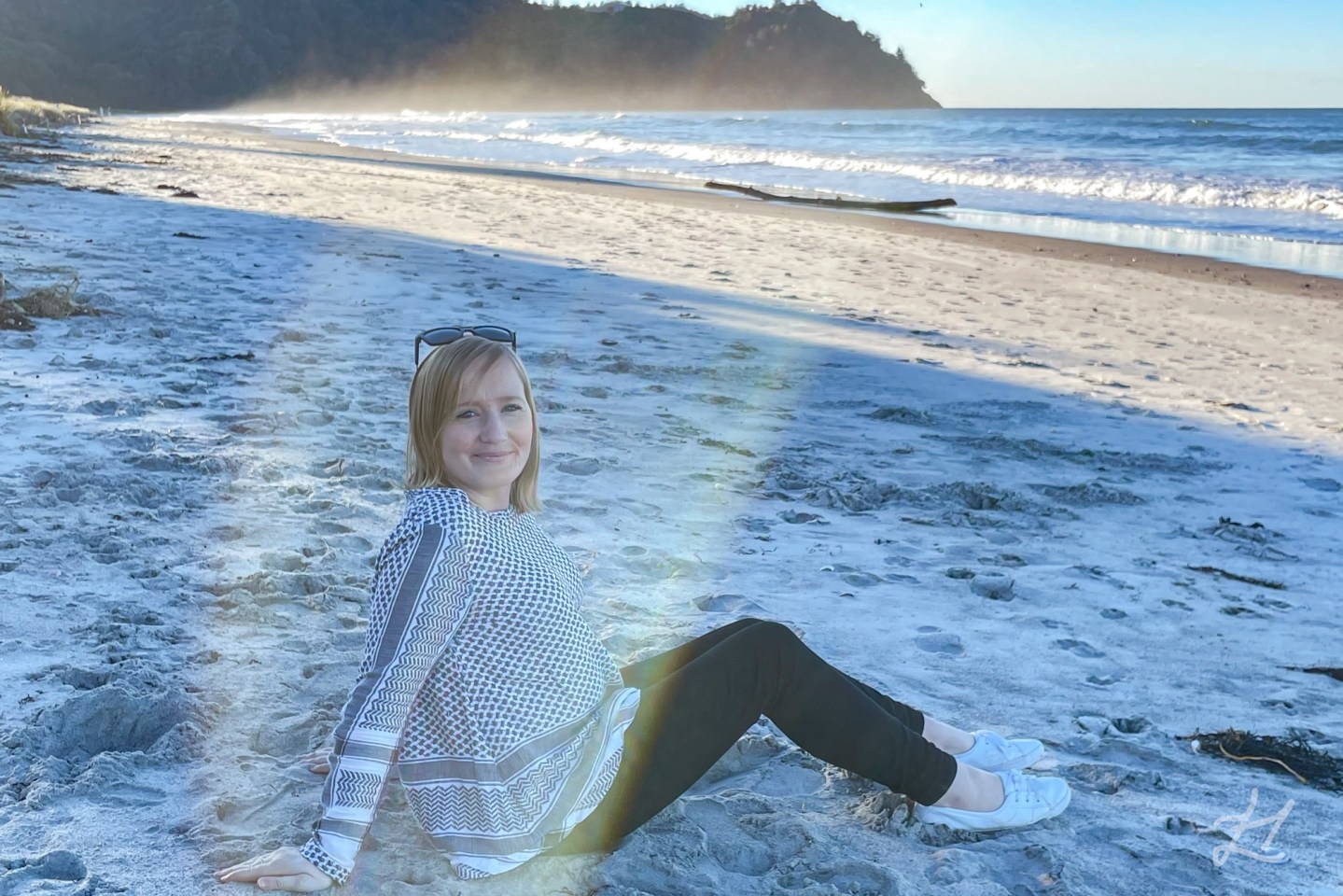
I’m currently pregnant with my donor egg IVF (DEIVF) baby, and if I’m honest, one of the most unexpected sources of comfort for me has been epigenetics. I didn’t fully understand it at the beginning of this journey, and no one ever sat me down to explain it. But somewhere between medical appointments and quieter moments at home, I kept coming back to it.
Because when you are not contributing DNA, a question naturally lingers in the background: where do I fit, biologically, in my baby’s story?
If you are here, you may have asked yourself that too.
For a long time, I didn’t have a clear answer. I knew I would be her mother in every way that mattered, but biology can feel like a very specific kind of belonging. People often talk about inheritance, resemblance, and traits passed down through generations. Without that genetic link, it can feel like you sit just outside that narrative, even when you feel completely certain in your decision.
What epigenetics actually means during DEIVF pregnancy
Learning about epigenetics shifted that perspective. In simple terms, epigenetics describes how genes are expressed, rather than the genes themselves. It determines which genes switch on, which stay muted, and how a baby develops in response to their environment. During pregnancy, I am that environment.
Research increasingly shows that the uterine environment plays a meaningful role in fetal development. It can influence brain development, metabolism, and aspects of long-term health. Scientists are still uncovering the full picture, but one thing feels clear: pregnancy is not passive. It is an active biological relationship.
My body is not just carrying her. It responds, adapts, and communicates in ways that influence how her genes express. That doesn’t replace genetics, but it sits alongside it in a way that feels grounding.

Another layer of connection I didn’t expect
Around the same time, I came across another concept I hadn’t heard of before: microchimerism.
It sounds technical, but the idea is surprisingly simple. During pregnancy, cells pass between mother and baby through the placenta. Some of those cells stay in each other’s bodies for years, even decades.
That means long after pregnancy, a mother can still carry cells from her child, and a child can carry cells from her mother.
Because while epigenetics explained how my body shapes her development, this felt even more physical. More lasting. A quiet biological exchange that continues beyond birth.
Scientists are still learning about it, and they haven’t mapped every detail. But even at a basic level, it offers another way to understand connection. Not just influence, but presence.
The small, everyday ways I shape her world
Understanding this has changed how I move through pregnancy. Not in a pressured way, but in a more intentional one. It has made the everyday feel quietly significant.
I focus on nutrient-dense foods and take a high-quality prenatal vitamin to cover any gaps. I manage stress where I can and prioritise rest, even when life feels full. None of it is perfect, but it is consistent.
These are not grand gestures. They are small, repeatable choices. Together, they create the environment she grows within.
If you’re in this stage too, it’s easy to feel like everything rests on what you did before pregnancy; on embryos, timelines, and decisions already made. But this part matters as well. What you do now still counts.
I know I cannot control everything. Pregnancy, like life, is unpredictable. But epigenetics gives me something steady to hold onto. It reminds me that even within that uncertainty, my presence matters in a deeply biological way.
There is something quietly reassuring in knowing that connection does not rely on DNA alone. It can grow through influence, through environment, and through the shared physical experience of these months.
She may not inherit my genes, but she is growing within my body, shaped in part by the life I live while she is here. That feels like a kind of belonging I can trust.
If you’re walking this path, especially in the middle of pregnancy where everything can feel both certain and unknown at the same time, you’re not outside the biology of this. You are part of it.
And for me, that has been more comforting than I expected.

Lore & Tempo is where motherhood meets adventure. I’m Ren – storyteller, explorer, and single mum in Wellington, New Zealand. I’ve been lucky enough to wander through 45 countries. 15 of them with my +1, Kaydes, either strapped to my front, on my hip, or running ahead on her own adventures. I created this space to share single parent life, travel tips, and the joy of exploring the world.
