
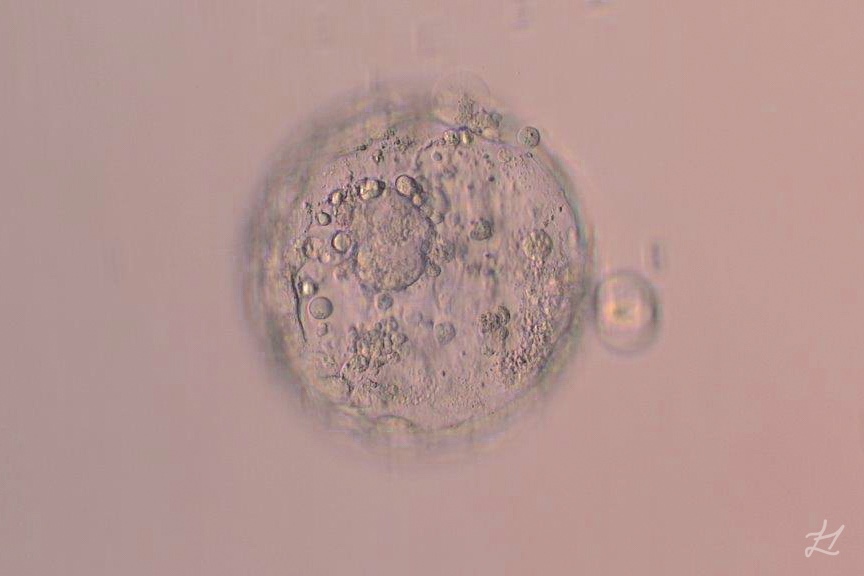
An update from my last post – we have 8 embryos successfully grown!!
They are now frozen and in their quarantine period, and we are just so grateful and rapt with the progress. ..another step taken to Baby Torrance 🤞🏻
Backtracking a little, last Tuesday, we got a call from Fertility Associates Christchurch, and they said they had really good news. Seven of our embryos had successfully grown to good looking blastocysts, and were now frozen!
The next day, they called again and said that 1 more was good, and now frozen.
All about embryos and blastocysts
If you aren’t aware, embryos are graded on their morphology. An embryo’s appearance can say a fair bit in how successful implantation will be, to then go on to become a pregnancy. Better quality embryos have better chances than lower quality ones. Here are the stages it takes to get there:
- Ovarian Stimulation: The process begins with ovarian stimulation, where fertility medications are administered to stimulate the ovaries to produce multiple eggs. My post here is this stage in our journey.
- Egg Retrieval: Once the eggs reach maturity, a minor surgical procedure called an egg retrieval is performed. A needle is guided through the vaginal wall to get the eggs from the ovarian follicles. My post here is that stage.
- Fertilisation: The retrieved eggs are then fertilized with sperm in a laboratory dish. This can be achieved through conventional insemination, where sperm and eggs are combined in a dish, or through intracytoplasmic sperm injection (ICSI), where a single sperm is directly injected into an egg. My post here is also that stage.
- Embryo Culture: The fertilized eggs, now embryos, are cultured in a controlled environment in an incubator. This environment mimics the conditions of the body, allowing the embryos to grow. My post here is also that stage.
- Embryo Grading: Embryos are periodically assessed by embryologists who grade them based on key features like blastocyst expansion, inner cell mass quality, and trophectoderm quality. This grading helps determine their developmental potential. This is where we’re at now.
- Blastocyst Formation: Around day 5 or 6 after fertilization, some embryos reach the blastocyst stage. This is a critical stage where the embryo has differentiated into inner cell mass and trophectoderm.
Throughout this process, embryologists closely monitor the development of the embryo. The ability of the embryo to progress through these stages successfully is a key factor in determining its viability and potential for implantation.
Embryo Grading
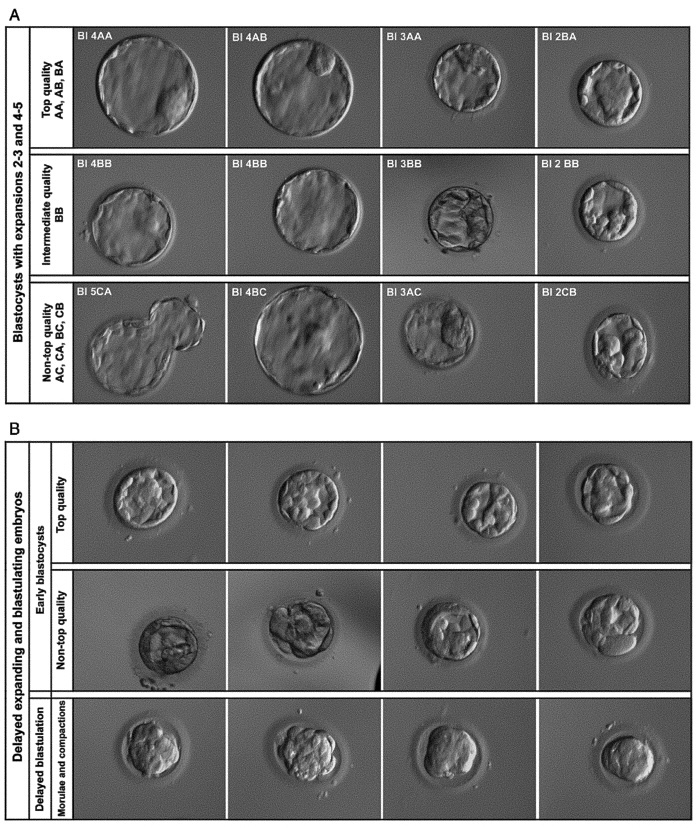
Embryo grading in the context of IVF is a critical aspect that helps fertility specialists and embryologists identify the best embryos for transfer, ultimately influencing the chances of a successful pregnancy. The grading process assesses the quality and developmental potential of embryos based on key features, and these assessments play a crucial role in decision-making throughout the IVF journey.
Embryologists typically assess blastocysts based on three key features and assign an alphanumeric grade to convey their quality and developmental potential.
- Blastocyst Expansion (1-6): The degree of blastocyst expansion is indicative of the developmental stage of the embryo. A higher expansion score correlates with a more advanced embryo, suggesting a better chance of successful implantation. From 1 (small) to 6 (big).
- Inner Cell Mass (A-C): The quality of the inner cell mass, which forms the fetus, is assessed through grading. An ‘A’ grade signifies a robust and well-organized inner cell mass, indicating a higher chance of successful development. From A (good) to C (poor).
- Trophectoderm (A-C): The trophectoderm, responsible for forming the placenta, is also graded. An ‘A’ grade suggests a well-organized and viable trophectoderm, enhancing the potential for a successful pregnancy. From A (good) to C (poor).
For example, an embryo might be graded as 3AA, where 3 represents the expansion stage, the first ‘A’ pertains to the inner cell mass, and the second ‘A’ refers to the trophectoderm. This grading system assists fertility specialists in selecting the most viable embryos for transfer, increasing the chances of a successful pregnancy during IVF.
While embryo grading is a valuable tool, it’s important to note that it’s not the sole determinant of success. Other factors, such as the patient’s age, overall health, and the underlying cause of infertility, also contribute to the overall success of IVF.
Our Personal Embryo Gradings
Our embryos were given the following gradings:
3x 4AA, 2x 4BA, 1x 4BB, 1x 3AA, and 1x 4BC.
We are absolutely rapt, and really encouraged by the results, as it will be most likely one of the 4AA’s that will go ahead for implantation. 💕
The 4AA embryo’s hold the highest grade across both blastocyst expansion and inner cell mass/trophectoderm quality. They are likely in an advanced developmental stage, showcasing a well-expanded blastocyst, robust inner cell mass, and organised trophectoderm. These are considered excellent quality embryos with a high potential for successful implantation. 🤞🏻
Unfortunately we didn’t get a photo of one of those ones, but they got one of the 4BC which is the featured photo.
Implantation won’t be until end of January or February at this stage, as there is a 3 month quarantine period first. The quarantine period allows time for thorough screening of both the egg donor and sperm provider for infectious diseases, including HIV and hepatitis. This is a precautionary step to safeguard the health of the parents and potential future child.
It’s a long wait, but I plan to get myself in tiptop shape, via acupuncture, walking, helping Jono with the house, hanging out with our cats, blogging a bit, and just trying to stay stress-free.

Lore & Tempo is where motherhood meets adventure. I’m Ren – storyteller, explorer, and single mum in Wellington, New Zealand. I’ve been lucky enough to wander through 45 countries. 15 of them with my +1, Kaydes, either strapped to my front, on my hip, or running ahead on her own adventures. I created this space to share single parent life, travel tips, and the joy of exploring the world.

2 Comments