
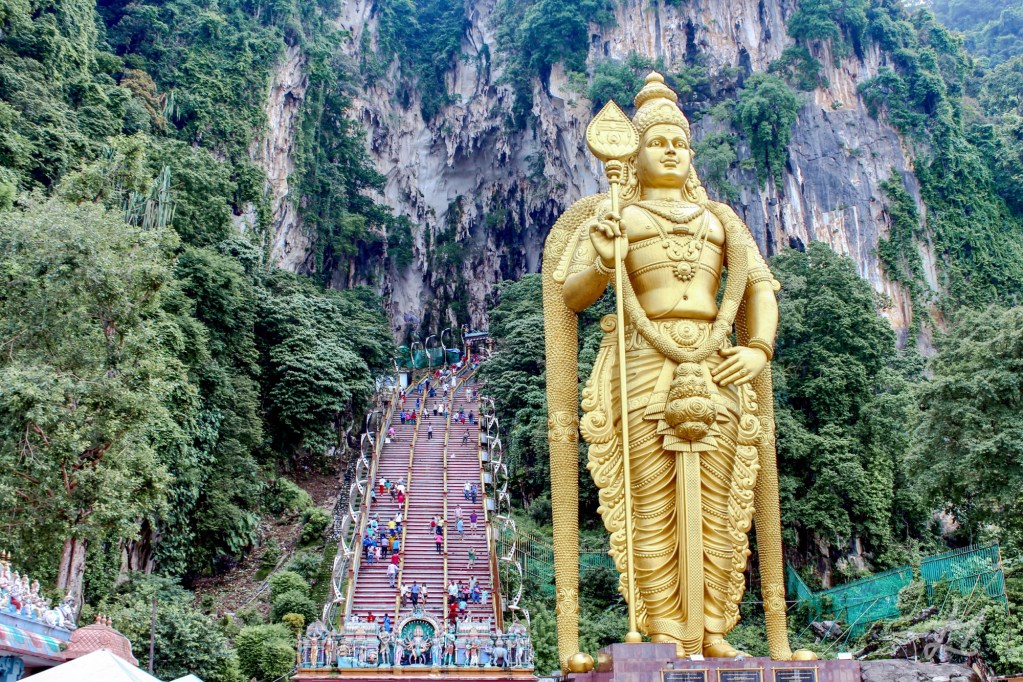
I first saw the Batu Caves featured on The Amazing Race (S11), and thought how great they looked. All these colourful Hindu shrines and temples set in a series of limestone caves. At which point, my bucket list got yet another addition!
A bit about them
The limestone Batu Caves are around 400 million years old, and consist of three major caves and several smaller ones, stands as an iconic landmark in Kuala Lumpur (KL), Malaysia. Located just 13kms north of the city centre, this natural wonder attracts tourists and pilgrims alike.
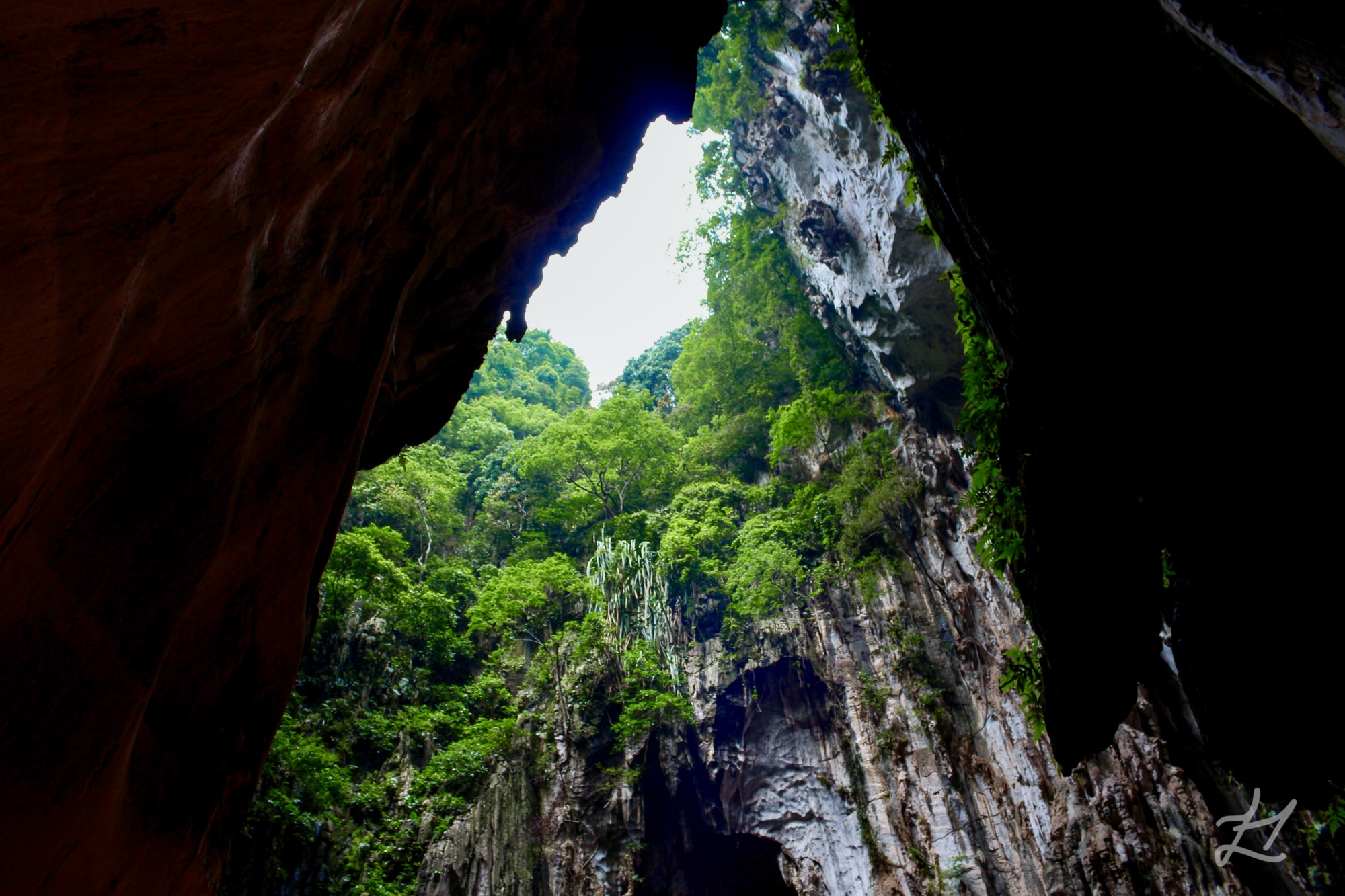
The main attraction, Temple Cave, is reached by ascending 272 colorful steps. Inside, visitors are greeted by a soaring 100-meter-high ceiling and a collection of Hindu shrines dedicated to Lord Murugan. The cave’s natural light filtering through openings in the ceiling creates an ethereal atmosphere.
Cave Villa, located at the foot of the hill, houses an art gallery and a Hindu museum. Ramayana Cave, accessible via a separate path, features dioramas depicting scenes from the Hindu epic Ramayana.
They’re open all 365 days a year from 6am to 9pm, but the best time to visit is early in the morning before tour groups start visiting at around 10am. Admission to Temple Cave and Ramayana Cave is free. However, there are charges for the Dark Cave exploration tour and the Hindu museum.
Modest attire is recommended when visiting Temple Cave, as it is a place of worship.
When opportunity knocks..
I got the chance to visit them when I had a 16hr layover in KL, on the way to London UK.
I took the KLIA Express train from the airport to KL Sentral station and then switched to the KTM Komuter train line to Batu Caves. It did take a bit of time to get there, about 1.5 hours from the time I left KLIA. Could be quicker going on a tour next time!
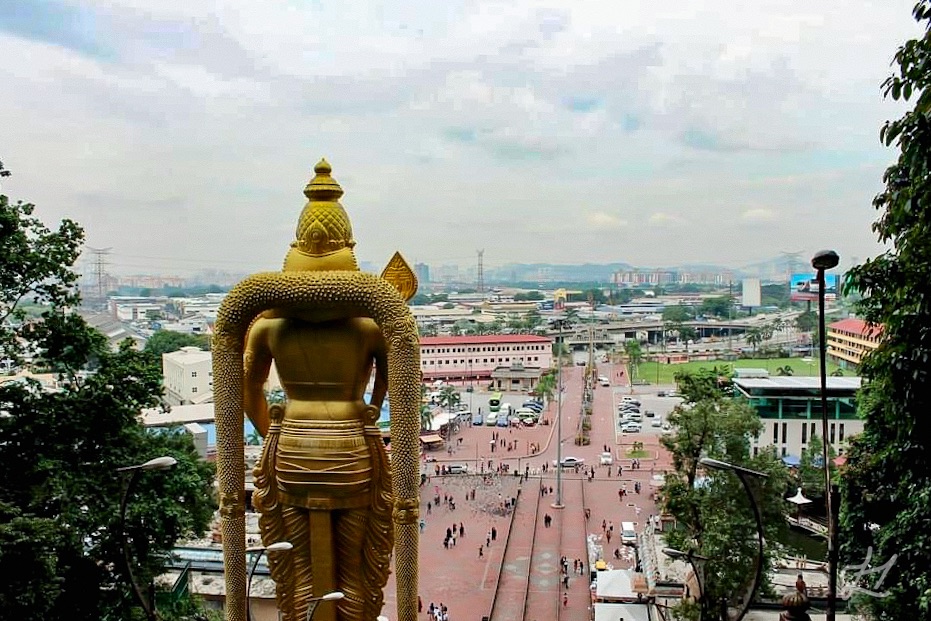
After arriving at Batu Caves station, I walked 10 minutes to the entrance, and was struck with the colossal statue of Lord Murugan. It really is as impressive as it looks! The imposing golden statue stands tall at 42.7m, and it took over 300l of gold paint to paint!
I won’t lie, climbing up all those 272 steps is really hard work. But do as I did, and stop often to take pictures of the view. A perfect excuse to catch your breath for a moment!
Monkeying Around
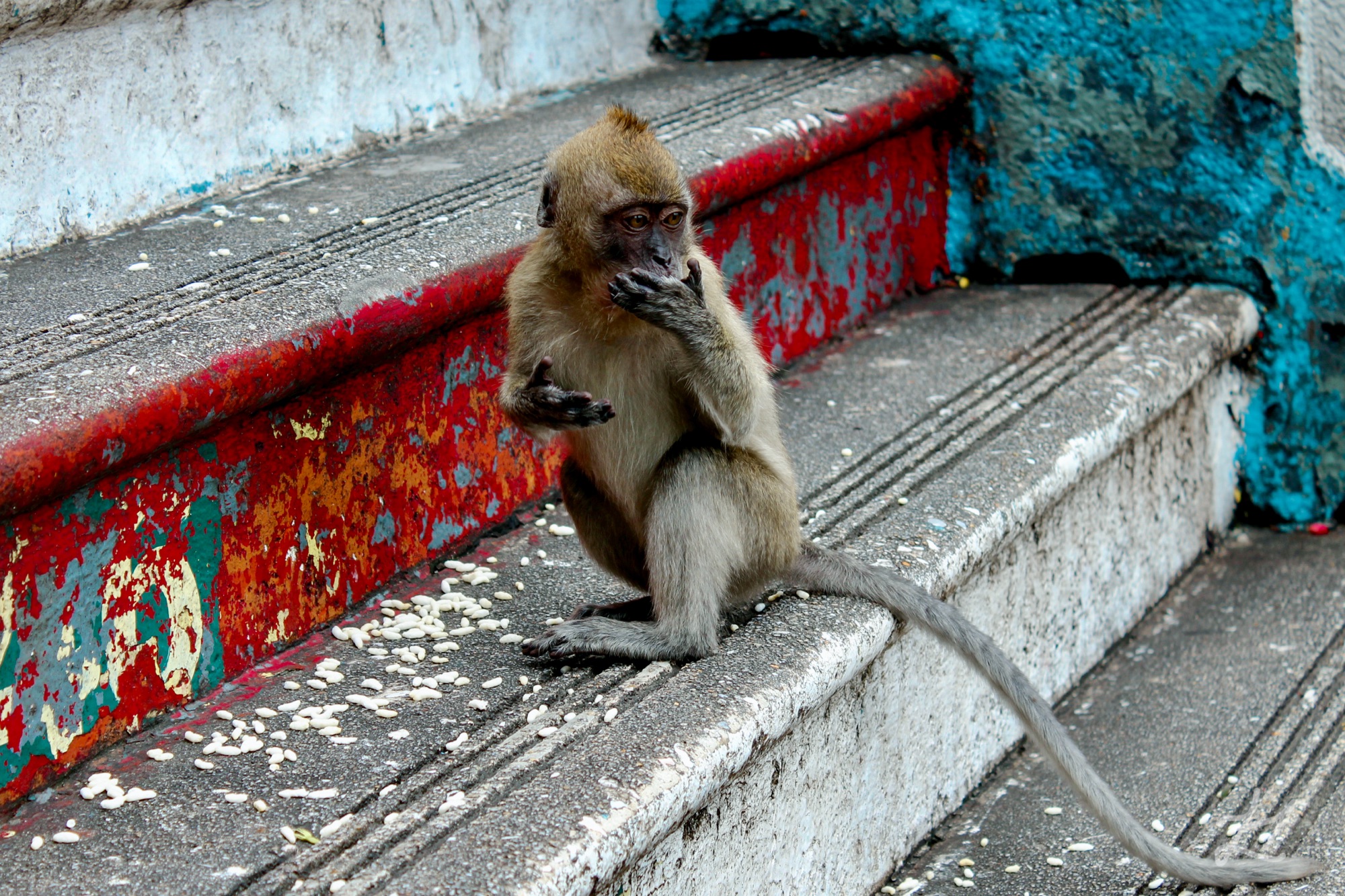
The monkeys you’ll see at Batu Caves are long-tailed macaques, a common species in Southeast Asia. They’re known for their playful and mischievous nature, and can be quite bold in their interactions!
Keep your belongings secure, they’re notorious for snatching phones, sunglasses, and other loose items. It’s also recommended not to feed them or eat food around them, as they’ll cling all over you. For example, I saw a young girl who had a bag of ricies, and before my eyes, a monkey jumped up her leg and grabbed the bag. Then went away, ripped it open, and started munching on them!!
PS. Did you see the ‘face’ in the second photo?
I never noticed it when I was there in person. It wasn’t until later when I was back at home, that I saw it and promptly got goosebumps!

Lore & Tempo is where motherhood meets adventure. I’m Ren – storyteller, explorer, and single mum in Wellington, New Zealand. I’ve been lucky enough to wander through 45 countries. 15 of them with my +1, Kaydes, either strapped to my front, on my hip, or running ahead on her own adventures. I created this space to share single parent life, travel tips, and the joy of exploring the world.
